
Modern wilderness-based rites of passage are intentional practices designed to help individuals mark major life transitions within the context of community. The structure draws heavily on Arnold van Gennep’s research that identified three main components of a rite of passage ceremony as practiced by many different cultures: Severance, Threshold, Incorporation. This structure was adopted by and refined through the work of Steven Foster and Meredith Little and is both practiced and taught by the School of Lost Borders.
Severance
Before participants go out on a solo fast, there is first a period of preparation, or the period of “Severance” when an individual prepares to leave their ordinary life behind, wrap up loose ends, finish projects, shed what no longer serves. During this period participants will consider their intentions for their ceremony, and might clarify a core question they will take with them out on the land. That might be marking the transition of coming into adulthood, honoring a grief journey, marking the entry into elderhood, or acknowledging some other major life change such as a change in career, the end of a relationship, etc. One might leave behind old ways of being, old expectations, or old identities that no longer serve, and prepare to enter into new ways of showing up in the world for themselves and community by crossing the threshold of ceremony. Before going out into the threshold, it is important to have their intentions witnessed within a community and by guides that will send the individual participants out across the threshold, and welcome them back.
Threshold
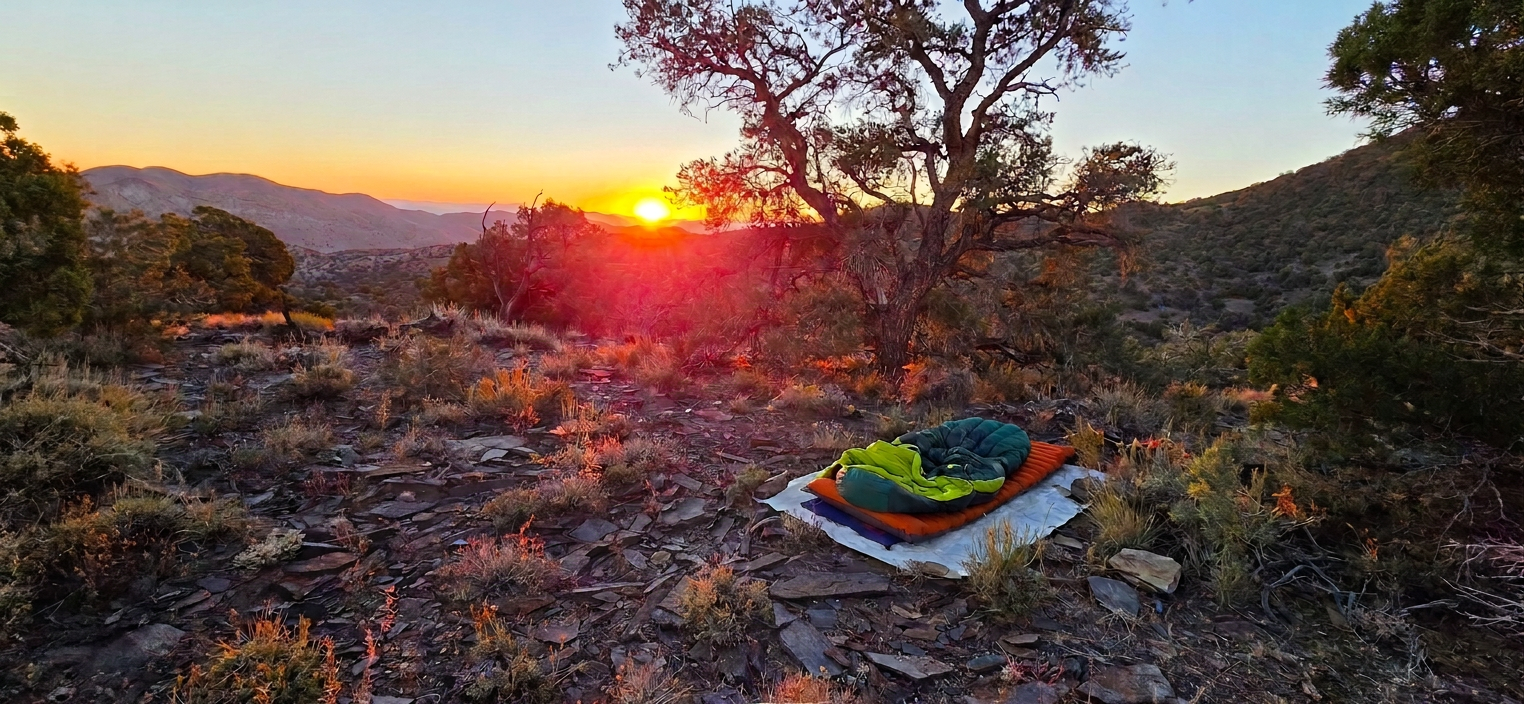
The threshold is often marked through a solo fast that can be anywhere from 24 hours to 4 days in length. The invitation is to go out empty, without company, and without shelter. In practice this may look like taking out only a tarp for shelter and a bedroll, taking only water, and going to a place where they can be in solitude for a set amount of time. For others this might mean turning off a cell-phone, taking minimal food, and sleeping in a tent. How one chooses to spend this time out on the land is an individual decision made in consultation with their guide to find an edge that will best serve their intentions. Participants create personal rituals of their own to formalize, enact, and embody their intentions.
Incorporation
When the solo is completed, the guides will welcome all participants back into community for the beginning of incorporation. This includes storytelling, being witnessed and “mirrored,” and taking the experience from the threshold back into their lives and into their communities.

